Institutional Calm as Competitive Advantage
As uncertainty rises across global trade and industrial policy, investors are increasingly differentiating between volatility and reliability.
Vianode’s anticipated $3.2B investment to establish its first North American synthetic anode graphite facility in St. Thomas, Ontario reflects that shift. Vianode, a Norwegian producer of sustainable synthetic anode graphite, is not simply expanding capacity. It is making a long-horizon location decision in a sector where risk compounds quickly.
Graphite rarely draws attention, but it is foundational. It forms the anode in lithium-ion batteries and is essential to semiconductors, grid-scale energy storage, nuclear applications, defense systems, and steel production. Demand across these strategic industries is accelerating, while global supply remains concentrated among a small number of players.
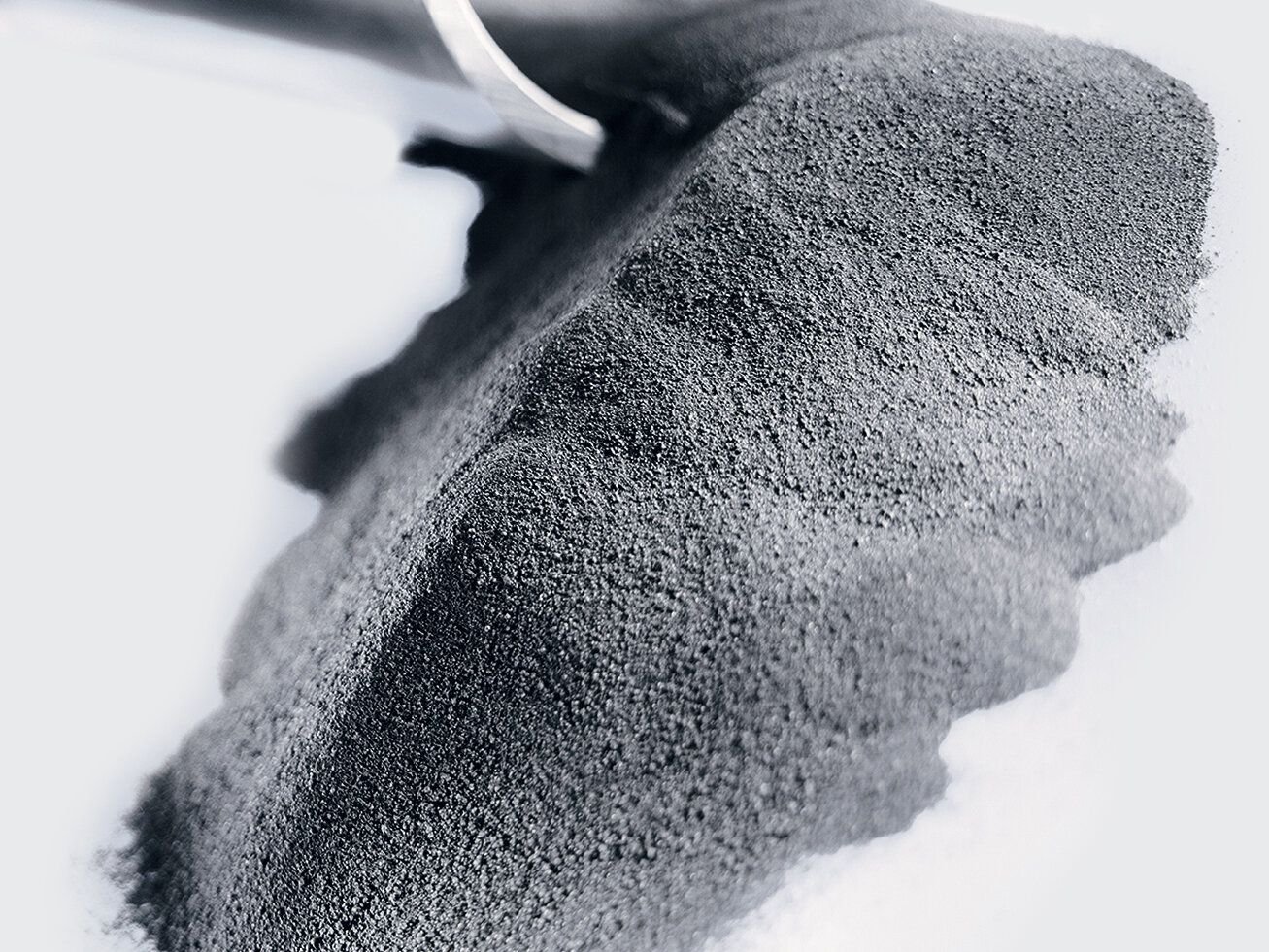
Graphite, a foundational material underlying modern energy, industrial, and defense systems.
The strategic importance of materials like graphite is being recognized at the highest levels. NATO recently published a list of 12 defense-critical raw materials, with graphite among them, reflecting its role in allied defense systems and operational readiness.
Ontario now has an opportunity to capture share in a constrained market, diversify options for global manufacturers, and reduce reliance on imports for Canadian companies. From an aerospace and defense perspective, this is less about efficiency and more about resilience, readiness, and control over critical inputs.
What stands out is why this investment landed where it did.
For companies planning on decade-long timelines, stability is not theoretical. It shows up in regulatory continuity, durable trade frameworks, energy reliability, and whether commitments hold long enough for capital to compound. Increasingly, firms are not just comparing incentives. They are pricing institutional risk.
Canada offered a level of predictability that long-cycle capital depends on.
Vianode’s proprietary technology reinforces that logic. Producing high-performance synthetic anode graphite with up to 90 percent lower carbon dioxide emissions than conventional methods, paired with Ontario’s low-carbon power grid, strengthens both competitiveness and durability across the value chain.
Zooming out, this is how strategic capacity is built in practice. Not only through platforms or finished goods, but through materials, supply chains, and the institutional discipline that supports them.
In an uncertain world, institutional calm has become a competitive advantage.